

Research the RootBreast HealthIssue 12.0
Breast Tissue, Lumps, and Lymph Nodes: What You’re Actually Feeling During a Breast Check
Learn what you’re actually feeling during a breast check, how hormones and lymph nodes affect breast tissue, which changes deserve attention, and how the gut and environment influence breast health.
Read the full article
What Cancer Research Is Revealing About the Microbiome and Immune System
For most of my adult life, I didn’t check my breasts.
It wasn’t because I didn’t care about my health.
I was scared.
The one time I tried, I felt small lumps, soft uneven areas, and tissue that didn’t feel smooth. I had no idea whether any of it was normal because no one had ever taught me what a breast actually feels like from the inside.
I had been told to look for a lump.
Maybe something the size of a pea.
But breasts already contain lobules, ducts, fat, connective tissue, ligaments, blood vessels, lymphatic vessels, and tissue that changes throughout the menstrual cycle.
So when I felt all of that, I didn’t know what I was touching.
And checking my breasts felt like searching for something I desperately didn’t want to find.
Avoiding it felt easier.
Then recently, I found myself standing in the shower and performing my first real breast check with confidence.
It came with so much ease and zero fear because I finally understood what I was touching, what was normal for my body, and what kind of change would need my attention.
That difference is so important.
We can’t tell women to “look for a lump” without teaching them that breast tissue is naturally textured.
We can’t tell women to know their bodies without explaining what they’re actually getting to know.
And we can’t reduce breast cancer awareness to pink ribbons, products, and fundraising while ignoring the biological environment in which breast tissue lives every day.
We Have Made Women Aware of Breast Cancer Without Teaching Them About Their Breasts
A few days ago, I was sitting on a Delta flight when this appeared on the screen in front of me.
The screen read:
“Sip Pink. Support Hope.”
Purchasing Minute Maid Pink Lemonade during October would support breast cancer research.
And I found myself staring at the contradiction.
Why are sugary beverages, alcoholic drinks, ultra-processed foods, cosmetics, fragrances, household products, and other consumer goods repeatedly turned pink and used to represent breast cancer awareness?
Why does the public conversation focus so heavily on which pink things women can purchase while not giving a shit about how the very products they’re being encouraged to eat, drink, inhale, apply to their skin, and absorb from their environment contribute to the hormonal disruption, metabolic dysfunction, inflammation, and cumulative chemical burden that increase the risk of the very cancer the campaign is raising money for?
Raising awareness and funds for research is of course important.
The issue isn’t that the donation is fake.
The issue is that legitimate fundraising and shallow health messaging are coexisting and I don’t hear anyone talking about it.
We’re being made aware enough to shop, donate, and fear breast cancer without being taught nearly enough about breast anatomy, hormone health, environmental exposure, immune regulation, or the microbiome.
Before we break down what is in that pink lemonade, we need to begin with what women should have been taught about their own breasts right from puberty.
Your Breast Isn’t Supposed to Feel Perfectly Smooth
A breast isn’t a smooth pouch of fat.
It is a complex, hormone-responsive organ.
Each breast contains lobes divided into smaller lobules. These are the glandular structures responsible for producing milk.
Ducts carry milk from the lobules toward the nipple.
Fat surrounds these structures and contributes to the breast’s size, shape, and softer areas.
Fibrous connective tissue holds the internal structures in place. This tissue can feel firm, dense, ridged, or rope-like.
Cooper’s ligaments provide additional internal support.
Blood vessels, nerves, lymphatic vessels, and lymph nodes connect the breast to the rest of the body.
And beneath the breast are the chest wall, ribs, and pectoral muscle, which can also be felt during a deeper breast check.
The amount and distribution of each type of tissue differ between women. They also differ between your two breasts and across different areas of the same breast.
Normal breast tissue can feel:
- Soft or fatty in one area
- Firmer or denser in another
- Bumpy, nodular, ridged, or rope-like
- Fuller in the upper outer portion near the armpit
- Tender or swollen before your period
- Different on one side than the other
Most breast lumps and changes aren’t cancer. But a woman can’t reliably determine whether a change is benign or cancerous through touch alone.
Your Breast Tissue Changes Throughout the Month
Your breasts naturally change as your hormones change.
Estrogen and progesterone influence glandular tissue, fluid retention, blood flow, tenderness, and the overall texture of the breast.
This is why your breasts can feel fuller, heavier, more painful, or significantly more nodular in the days before your period.
Then your period begins, hormone levels change, and the swelling or tenderness can settle.
Pregnancy, breastfeeding, weaning, hormonal medications, perimenopause, and menopause create additional changes in the breast.
Breast awareness isn’t about memorizing one universal texture.
It’s about learning what your breasts normally feel like across your own cycle so that a genuinely new or persistent change becomes easier to recognize.
Breast density is different from the texture you feel with your hands. Dense breasts contain more glandular and fibrous tissue and less fatty tissue, but density isn’t something you can reliably diagnose through touch.
You Aren’t Looking for One Specific Kind of Lump
I used to believe I was looking for something hard and pea-sized.
But hardness alone doesn’t tell you whether a lump is cancerous.
A concerning mass can feel hard, irregular, and fixed. But breast cancer can also feel round, tender, painful, or difficult to feel at all.
And benign cysts, fibroadenomas, hormonal changes, breastfeeding changes, and fibrocystic tissue can all create lumps or areas that feel distinct.
The most important thing for all of us to understand is that we aren’t trying to diagnose breast cancer with our hands.
You’re learning what belongs to your normal breast tissue so you can recognize something new.
Changes that deserve professional evaluation include:
- A new lump or thickened area in the breast or underarm
- An area that feels distinctly different from the surrounding tissue
- A change that remains after the hormonal phase of your cycle has passed
- A lump or area that grows or changes
- New swelling or a change in the size or shape of one breast
- Skin dimpling, puckering, thickening, or an orange-peel appearance
- Red, flaky, irritated, or persistently inflamed skin
- A nipple that has newly pulled inward
- Discharge other than breast milk, especially bloody discharge
- A new lump near the armpit or collarbone
- Persistent pain in one specific area
These changes don’t automatically mean cancer.
They mean the change needs to be properly evaluated rather than diagnosed through fear, reassurance from the internet, or touch alone.
The Lymphatic System Is Part of Breast Health
Breast tissue doesn’t function in isolation.
Lymphatic vessels collect and transport fluid, immune cells, cellular debris, and other material throughout the breast and surrounding tissues.
Much of the lymph from the breast moves toward lymph nodes in the armpit. Other pathways lead toward lymph nodes near the breastbone and collarbone.
A lymph node can become enlarged while the immune system is responding to an infection, skin irritation, inflammation, or vaccination.
Lymph nodes are also evaluated when a concerning breast change is found because abnormal cells can travel through lymphatic vessels and reach nearby nodes.
Now Let’s Go Back to the Pink Lemonade
The current United States label for the 12-ounce canned Minute Maid Pink Lemonade shown in this campaign lists:
Pure filtered water, high fructose corn syrup, lemon juice from concentrate, less than 0.5% of natural flavors, citric acid, modified cornstarch, glycerol ester of rosin, sodium benzoate, potassium sorbate, calcium disodium EDTA, and Red 40.
One can contains 150 calories and 40 grams of added sugar.
That is approximately 10 teaspoons of added sugar and 80% of the listed daily value in one drink.
How Can This Possibly Represent Breast Cancer Awareness?
I don’t need to break down every ingredient on this label to see the contradiction.
This product wasn’t created to support a woman’s microbiome, hormones, immune system, metabolism, liver, lymphatic system, or breast health. It was created to be cheap, intensely sweet, shelf-stable, consistently flavored, and pink.
Lets break these down…
High fructose corn syrup is the primary sweetener. This bottle delivers 40 grams of added sugar without fiber, protein, or anything else that would slow its absorption. High fructose corn syrup is also highly contaminated with glyphosate and deeply disruptive to the body and microbiome. It feeds bad bacterial and yeast overgrowths, disrupts blood-sugar regulation, burdens the liver, increases inflammation, and changes the internal environment responsible for hormone metabolism and immune regulation.
Modified cornstarch is another highly processed corn derivative carrying the glyphosate burden of our industrial agricultural system. It isn’t included because it contributes anything valuable to a woman’s health. It’s there to manipulate the texture and stability of the beverage.
And then there are natural flavors.
We’ve become horribly blind to what those two words actually mean.
We read “natural” and picture fruit, plants, and ingredients we would recognize. But natural flavor isn’t one ingredient. It’s a protected category that allows an entire flavor formula to disappear behind two reassuring words. The woman drinking it isn’t told exactly which compounds were used, how they were processed, or what else was needed to carry and preserve them.
And “natural” most certainly doesn’t mean harmless.
There are flavoring compounds derived from natural sources that are carcinogenic. Yet the industry has trained us to see the word natural and stop asking questions.
Citric acid sounds like lemon juice, but the citric acid used throughout the processed-food industry is manufactured through fermentation using Aspergillus niger, a black mold. It isn’t citrus squeezed into a bottle. It’s an industrial ingredient made with mold and given a name that allows it to borrow the perceived health of fruit.
And I don’t accept sodium benzoate and potassium sorbate as harmless preservatives simply because they’re legally permitted in food. These chemicals are used to suppress microbial growth and extend the life of the product. They carry carcinogenic and genotoxic concerns, and they would never be included in something genuinely formulated with anyone’s health in mind.
Red 40 is a carcinogenic synthetic dye.
It contributes absolutely nothing to the nutritional value of this drink. It is disruptive to the microbiome, immune system, hormones, liver and lymphatic system.
It exists to make the beverage pink.
The very color being used to suggest that this product supports women affected by breast cancer comes from an ingredient that I believe has no place in the human body.
So how can a beverage made with glyphosate-contaminated corn sweeteners, 40 grams of added sugar, undisclosed natural flavors, mold-manufactured citric acid, chemical preservatives, and a carcinogenic synthetic dye possibly be used to represent breast cancer awareness?
Painting the bottle pink doesn’t change what’s inside it.
A ribbon doesn’t neutralize the ingredients.
And donating money after selling the product doesn’t make that product supportive of women’s health.
This isn’t breast cancer prevention.
It’s self-serving marketing disguised as a good deed.
Alcohol Makes the Contradiction Even Clearer
The pink-drink campaign also includes alcoholic options.
Alcohol is an established human carcinogen, and alcohol consumption increases breast cancer risk.
The body converts alcohol into acetaldehyde, which can damage DNA and proteins. Alcohol can also increase oxidative stress, interfere with the absorption of important nutrients, and raise estrogen levels.
And yet pink alcoholic drinks are routinely sold in the name of breast cancer awareness.
Again, the donation can be real.
The research it funds can be valuable.
But we still have to be willing to ask why a known carcinogen is being wrapped in pink and presented as a way to support a cancer strongly influenced by hormones.
Breast cancer awareness shouldn’t become a way to make an unhealthy product feel virtuous for the month of October.
This Is Pinkwashing
Breast Cancer Action coined the term pinkwashing to describe the use of pink-ribbon marketing by companies or products whose practices don’t meaningfully align with breast health.
The definition has broadened to include companies that use breast cancer as a promotional opportunity without providing transparency about the donation or participating in the deeper conversation about prevention, exposure, and women’s health.
Before buying a pink product, I encourage you to ask:
- How much money from this purchase is actually donated?
- Which organization receives it?
- Is there a maximum donation regardless of how many products are sold?
- Does the donation happen automatically?
- Does the product or company align with the health message being used to sell it?
- Is the campaign teaching women anything beyond purchasing the product?
Better than buying something pink, consider donating directly to an organization whose work you’ve researched and trust, whether it supports women navigating treatment, funds independent research, or works to reduce harmful environmental exposures.
Your support can go directly toward the work you believe in without requiring you to buy a product that contradicts your values.
Women’s health should be the purpose, not the marketing strategy.
Breast Cancer Doesn’t Have One Cause
Now, we need to acknowledge that breast cancer isn’t created by one drink, one meal, one stressful season, one medication, one candle, one beauty product, or one imperfect decision.
It develops through an accumulation of influences that can include age, inherited genetics, random cellular errors, hormones, breast density, alcohol, radiation, metabolic health, environmental exposure, immune function, and factors science is still working to understand.
A woman can make deeply intentional choices and still develop breast cancer.
Another woman can ignore her health and never receive a diagnosis.
There are no guarantees, and there should be no blame.
But the fact that we can’t control every outcome doesn’t make prevention or foundational health meaningless.
The National Institute of Environmental Health Sciences explains that breast cancer involves genetic, hormonal, and environmental factors. It also identifies prenatal development, puberty, pregnancy, and the menopausal transition as important windows when breast tissue can be especially responsive to endocrine-disrupting exposures.
That belongs in Breast Cancer Awareness Month too.
One Product Isn’t the Entire Exposure
The body doesn’t encounter products one at a time in isolation.
A woman wakes up on a mattress or furniture treated with certain chemicals.
She washes her hair and body with fragranced products.
She applies lotion, skin care, makeup, deodorant, and perfume.
She drinks water that can contain agricultural chemicals, industrial compounds, or disinfection byproducts.
She eats food grown with pesticides, packaged in plastic, and exposed to substances that can migrate from packaging.
She cleans her home, lights candles, breathes indoor and outdoor air, handles receipts, and lives in a world where chemical exposure has become an ordinary part of the day.
Not every ingredient in every product is dangerous.
And one exposure doesn’t determine a woman’s future.
But total exposure doesn’t disappear because each product contains only a small amount.
Endocrine-disrupting chemicals deserve particular attention in breast health because they can imitate, block, or interfere with hormonal communication inside a hormone-responsive organ.
Phthalates, parabens, bisphenols, PFAS, pesticides, flame retardants, and other compounds are being studied for their relationships with hormone activity, breast development, metabolic health, and cancer risk.
The strength of evidence differs by chemical, dose, timing, and study design. These substances shouldn’t be discussed as though every exposure creates the same outcome.
But they also shouldn’t be dismissed because science can’t reduce decades of combined exposure to one perfect experiment.
The NIEHS Sister Study, which follows more than 50,000 women, has identified relationships involving air pollution, body composition, dietary factors, permanent hair dye, chemical straighteners, personal-care-product ingredients, and other environmental and lifestyle exposures.
A pink ribbon doesn’t neutralize an ingredient list.
Food and Beverages Belong in the Conversation Too
Sugar doesn’t directly become breast cancer.
But the foods and beverages a woman consumes every day influence blood-sugar regulation, insulin, body composition, inflammation, hormone metabolism, nutrient status, bowel movements, and the microbiome.
Sugar-sweetened beverages make it easy to consume large amounts of sugar without the fiber, protein, minerals, or physical structure that slow digestion and create fullness.
Ultra-processed foods gradually displace the fiber, phytonutrients, minerals, and microbial diversity the gut depends on.
Research examining ultra-processed food and breast cancer continues to evolve, and the findings aren’t identical across every population or product. But the relationships among metabolic health, body composition, inflammation, and breast cancer risk are already part of established cancer research.
This doesn’t mean a woman has to eat perfectly.
It means nutrition belongs in a serious conversation about breast health.
And using a drink containing 40 grams of added sugar as the face of breast cancer awareness without discussing any of that isn’t neutral.
Your Gut Is Part of Your Hormone System
Breast tissue is highly responsive to hormones, and many breast cancers are hormone-sensitive.
The gut microbiome participates in how estrogen is metabolized, transformed, carried out of the body, and recirculated.
The collection of gut microbial genes and enzymes involved in estrogen metabolism is known as the estrobolome.
After the liver processes estrogen, some of it is sent into bile and moved into the digestive tract for elimination.
Certain gut organisms produce enzymes that can deconjugate those estrogens, allowing them to be reabsorbed into circulation instead of leaving through stool.
This doesn’t mean one bacterial strain determines a woman’s estrogen level or breast cancer risk.
It means the gut microbiome, liver, bowel movements, hormone metabolism, and breast tissue are biologically connected.
When the microbiome is imbalanced, meaning the body has too much bad bacteria, yeast, mold, fungus, or parasites and not enough good bacteria, hormone metabolism isn’t the only process affected.
The microbiome also influences intestinal-barrier integrity, metabolic health, nutrient absorption, immune regulation, and inflammatory communication throughout the body.
The Microbiome Helps Shape Immune Regulation
The gut contains an enormous concentration of the body’s immune cells and immune tissue.
That makes sense because the intestinal barrier is continually interacting with food, microorganisms, toxins, medications, pathogens, and microbial compounds.
The immune system has to decide what belongs, what is harmless, and what requires a response.
Beneficial bacteria help educate and regulate that immune activity.
They support the intestinal barrier, compete with organisms that can become harmful, and produce metabolites that communicate with immune cells throughout the body.
And the immune system shapes the microbiome in return.
When the microbial environment becomes imbalanced, intestinal-barrier integrity, microbial metabolites, inflammatory communication, and immune regulation can change with it.
That doesn’t mean gut imbalance automatically creates breast cancer.
It means the microbiome participates in several of the systems involved in how breast tissue is protected, regulated, and influenced over time.
Breast Tissue Has Its Own Microbial Environment
The breast itself also has it’s own microbial environment.
Researchers have identified microbial material and communities inside breast tissue and have found differences among healthy, cancer-adjacent, and malignant tissue.
This research is important because it challenges the idea that breast tissue exists separately from the microorganisms, immune cells, hormones, and metabolites surrounding it.
This Is Why My Family’s Microbiome Health Is Non-Negotiable
I don’t rebalance my microbiome because I believe it makes me cancer-proof.
Nothing can make that promise.
I rebalance because the microbiome participates in hormone metabolism, immune regulation, inflammatory communication, digestion, nutrient absorption, bowel regularity, blood-sugar regulation, and protection of the intestinal barrier.
Those systems matter before a diagnosis exists.
When the body has too much bad bacteria, yeast, mold, fungus, or parasites and not enough good bacteria, taking a random probiotic doesn’t address the complete imbalance.
The bad overgrowths need to be cleared while the beneficial bacteria, minerals, digestive environment, elimination pathways, food, and nervous system are supported.
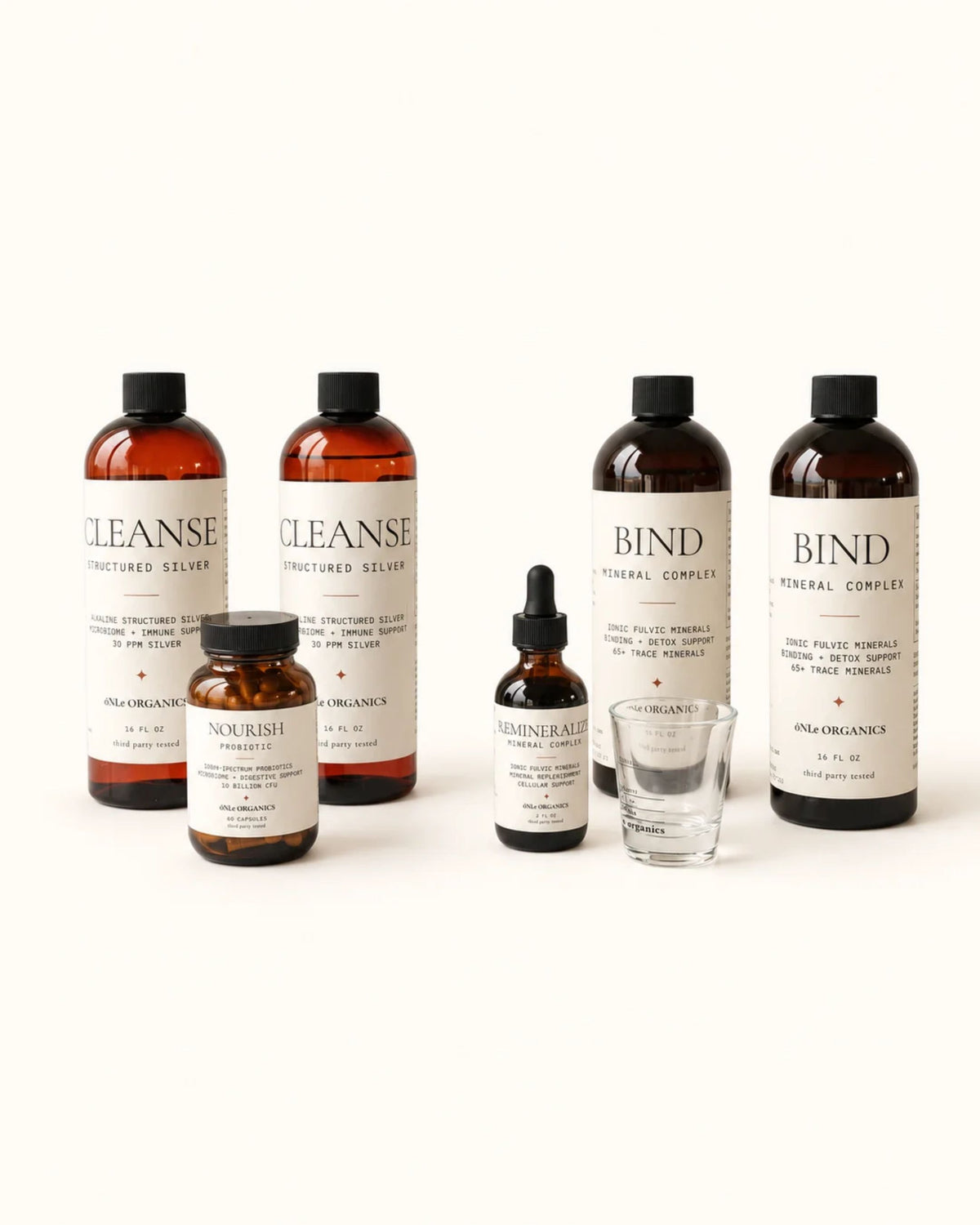
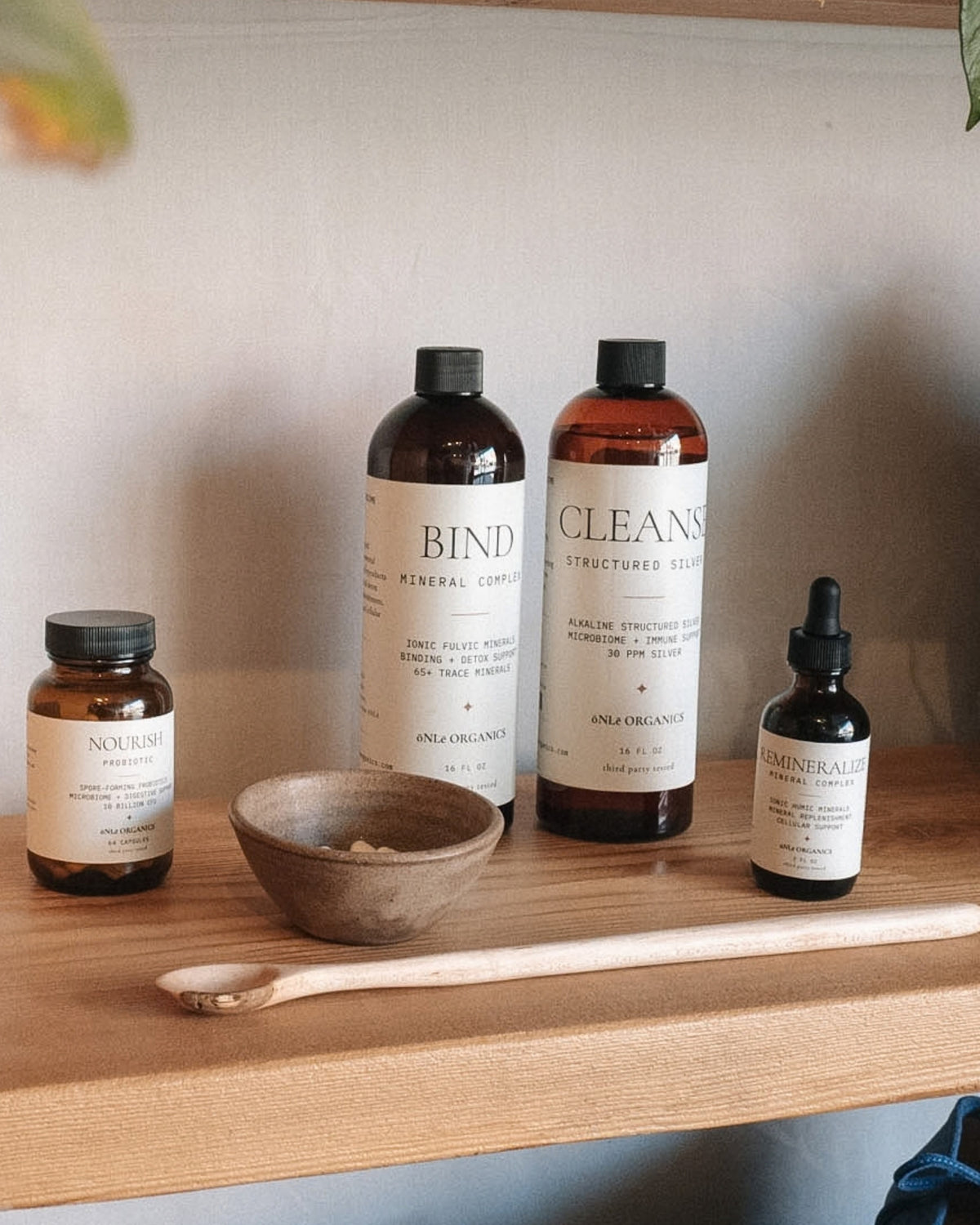
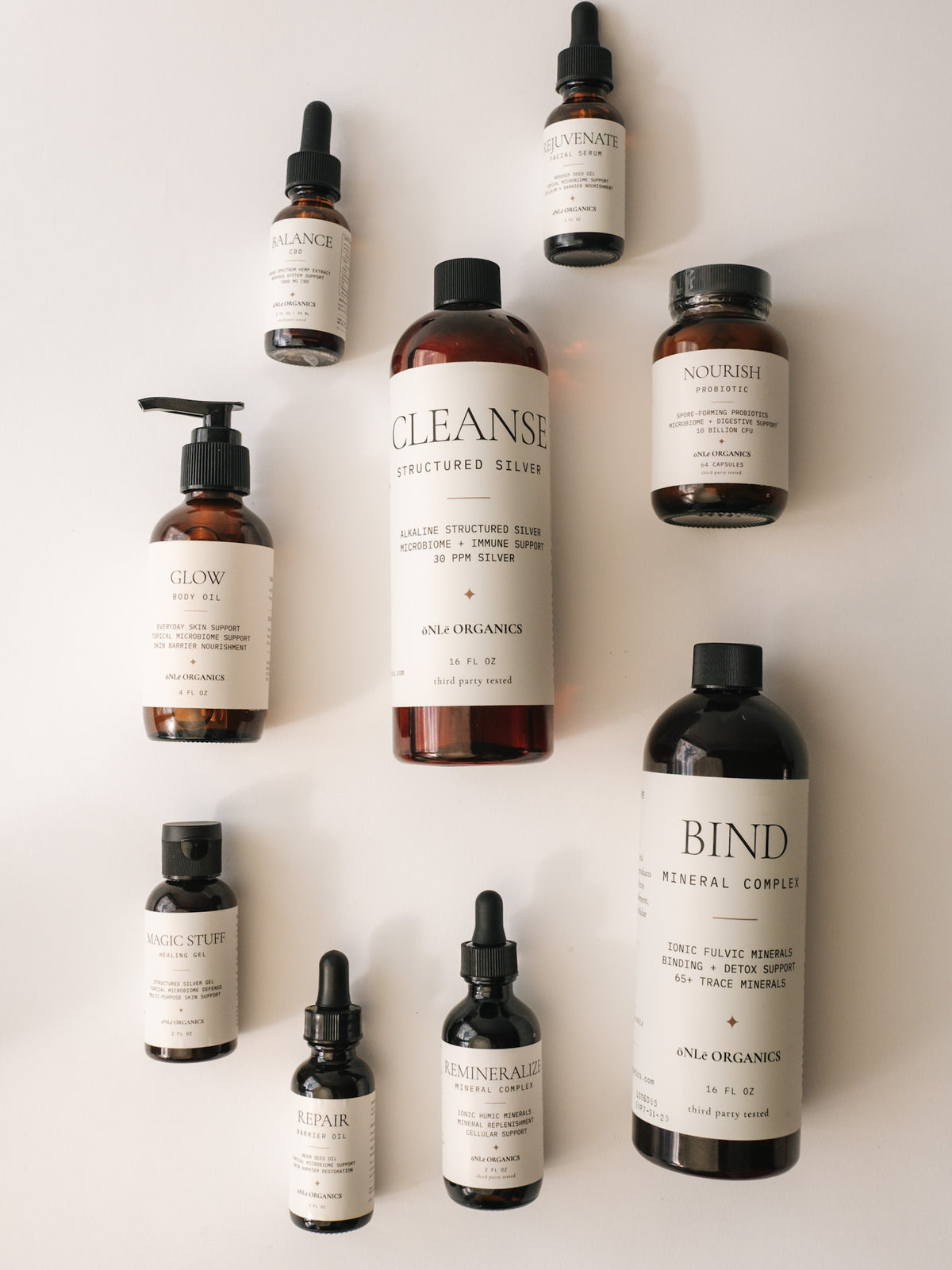
The ōnlē Gut Rebalance Method does that through one complete methodology.
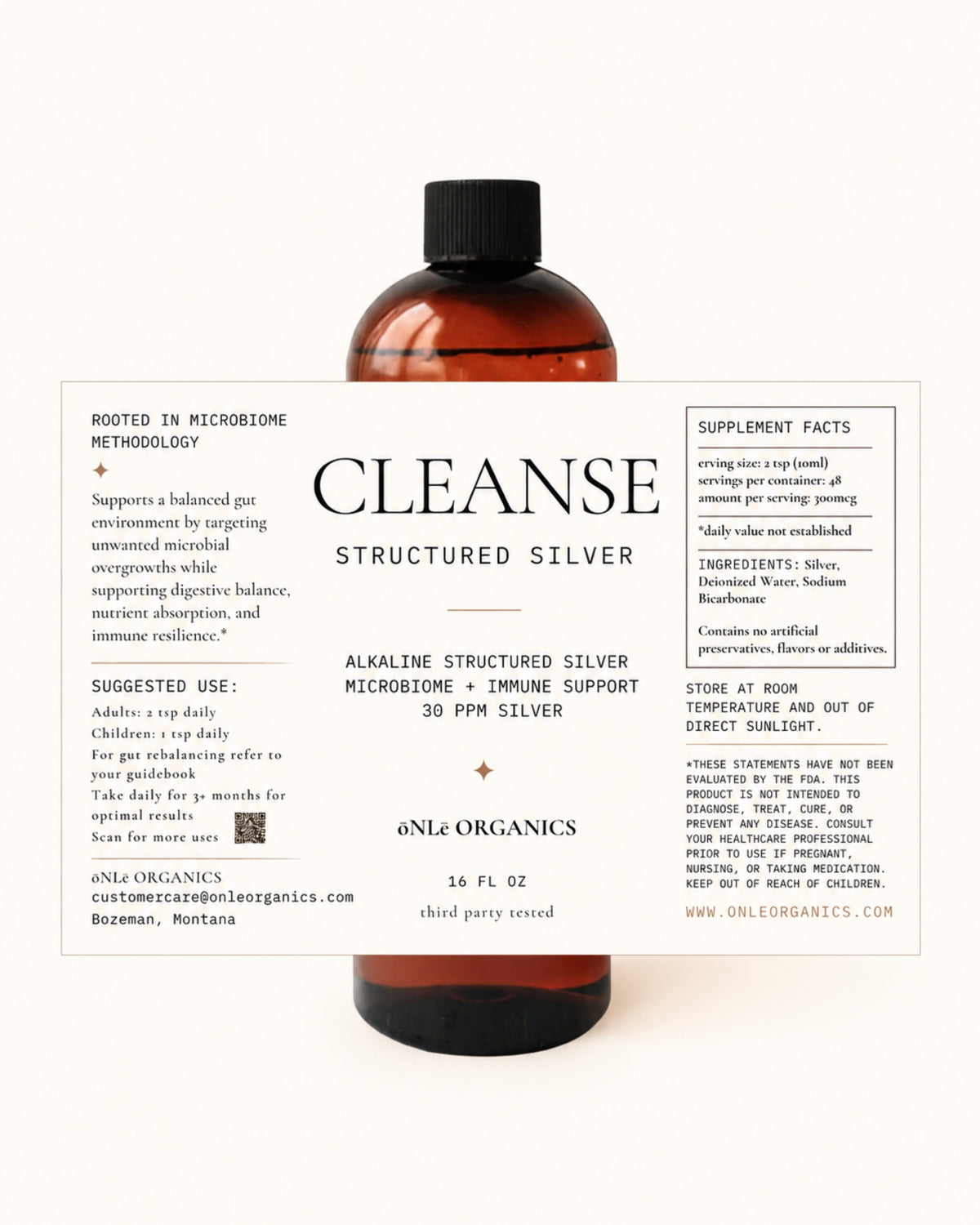
Cleanse clears the bad bacterial, yeast, mold, fungal, and parasitic overgrowths while preserving the beneficial bacteria the body needs.
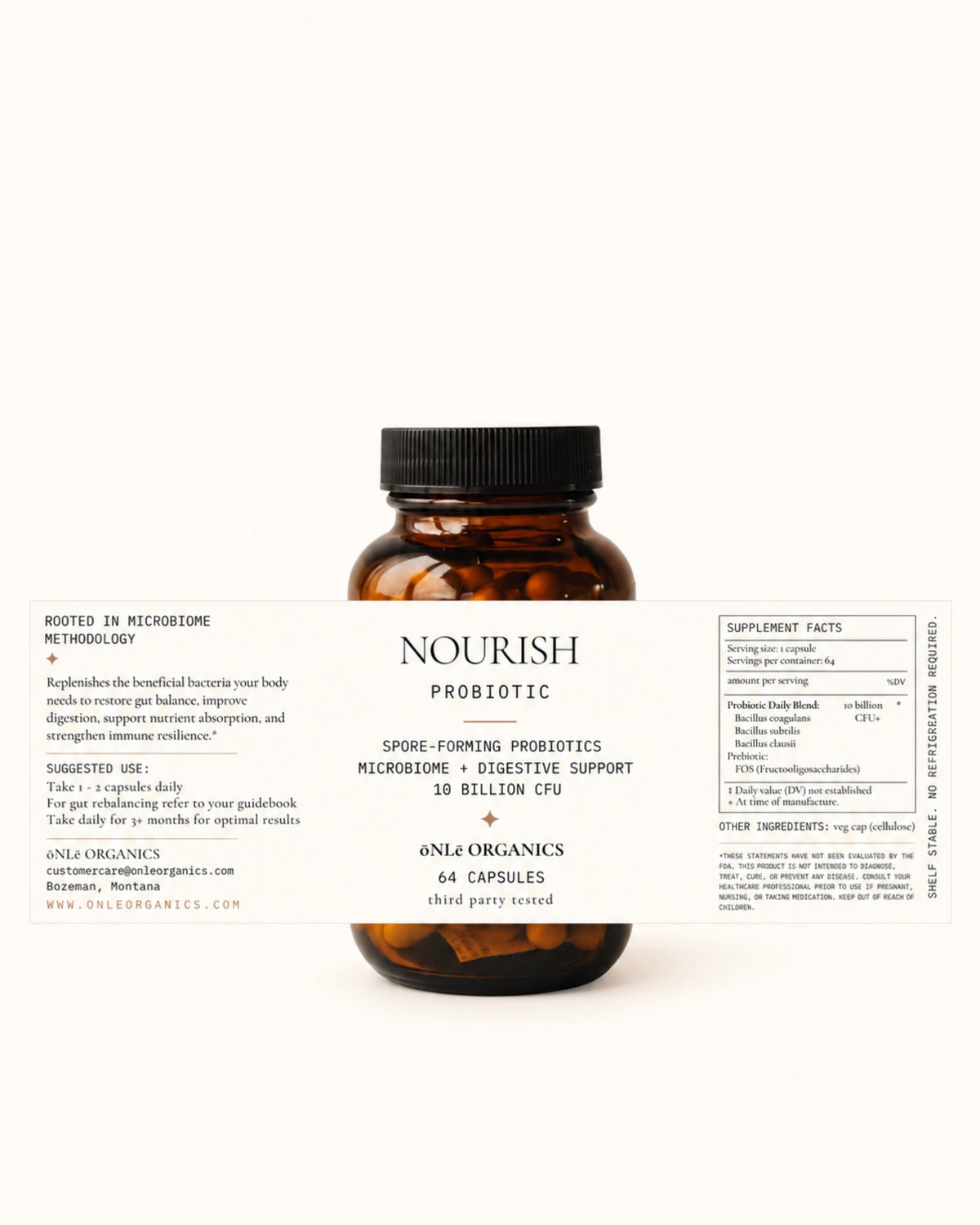
Nourish introduces beneficial spore-forming bacteria and supports the wider microbial community already living inside the gut.
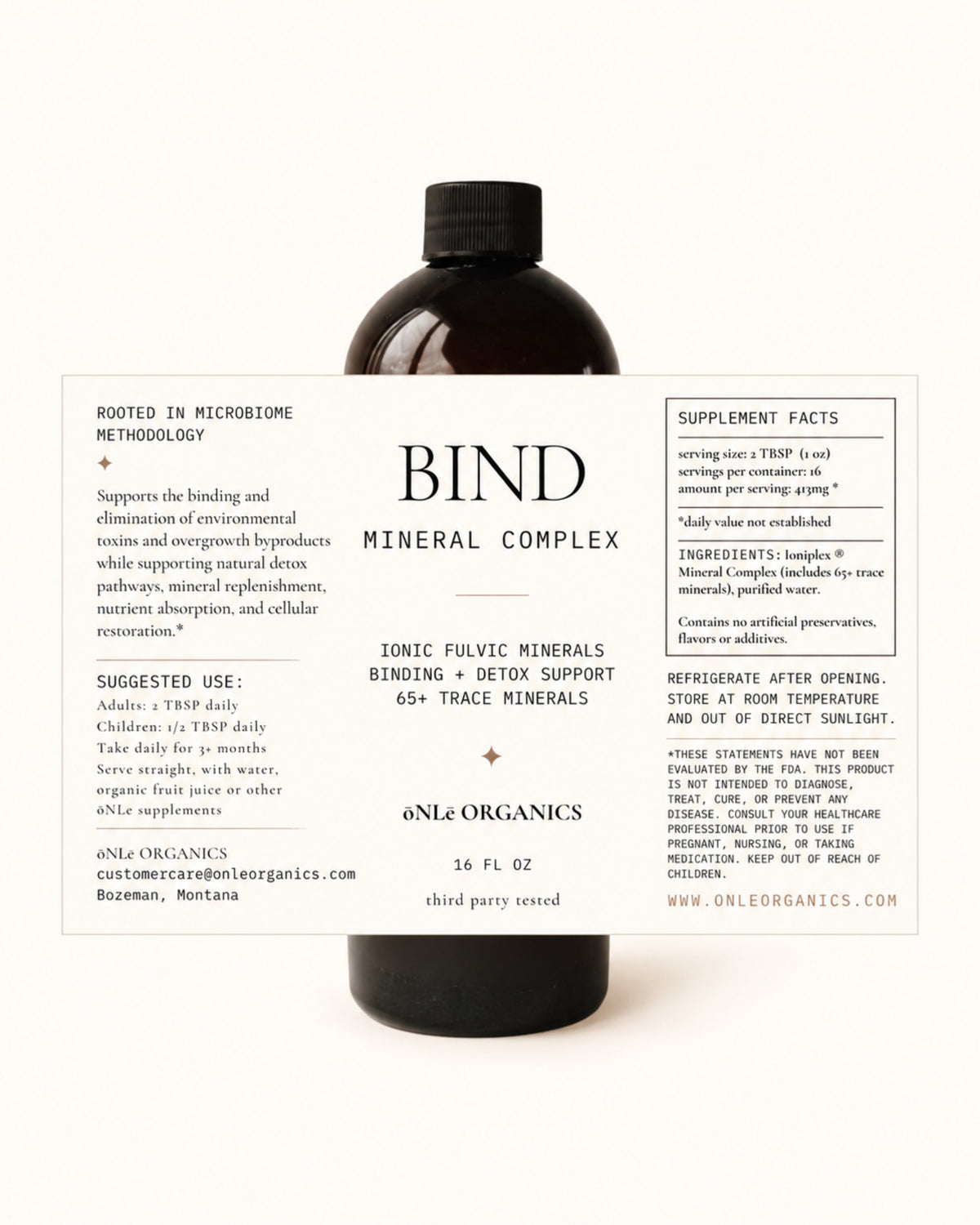
Bind supports the body in carrying out the overgrowths, toxins, heavy metals, waste, and other unwanted material being released.
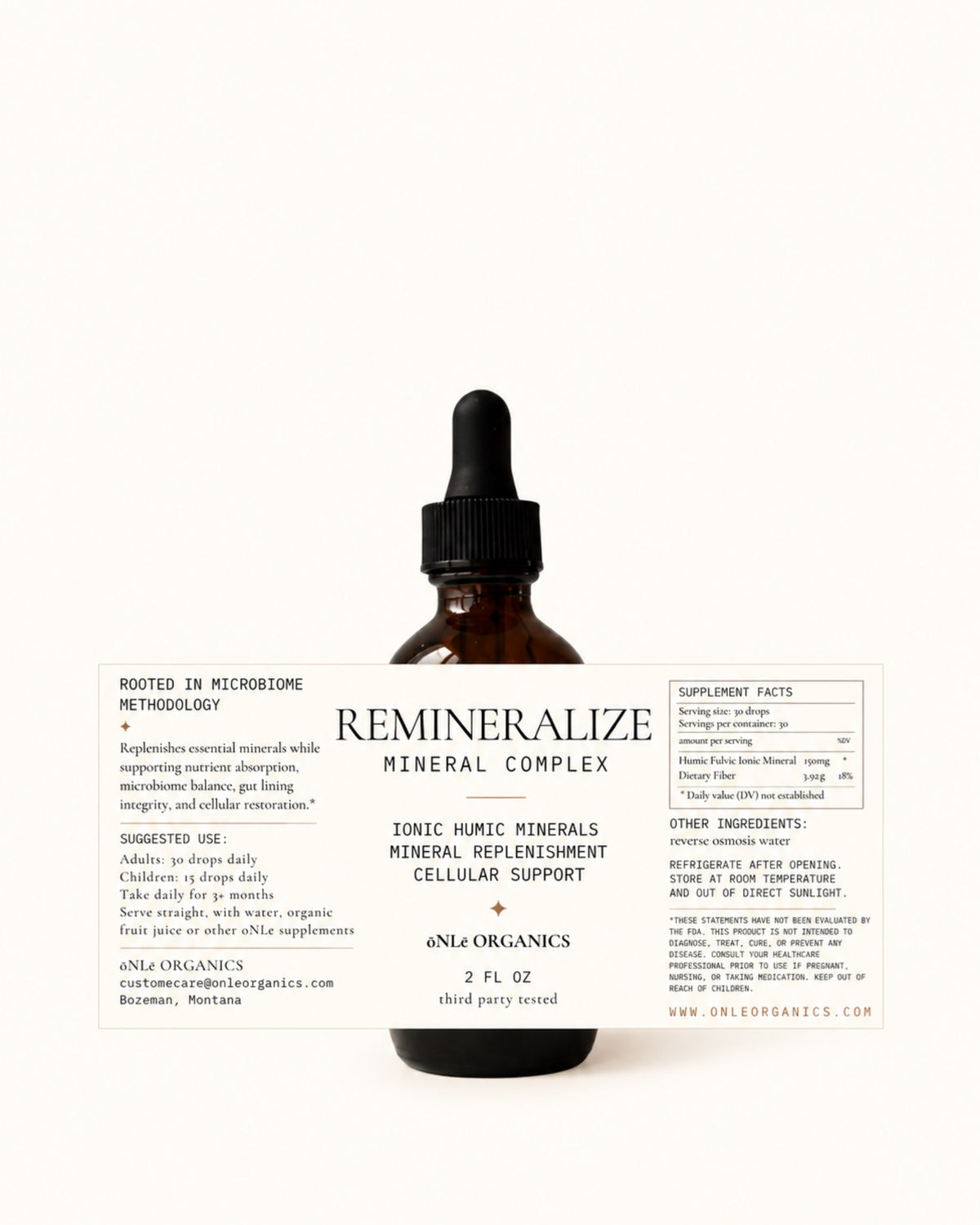
Remineralize restores essential minerals involved in hydration, digestion, bowel regularity, nervous-system communication, tissue function, and immune health.
And the ōnlē Method course teaches you how to prepare the body, support the drainage pathways, keep the bowels moving, use food to stop feeding bad overgrowths, support the nervous system, and understand what the body is communicating throughout the process.
Once balance has been restored, the maintenance supplements help care for the microbial environment as it continues responding to food, hormones, medications, illness, stress, environmental exposure, and everyday life.
The ōnlē Gut Rebalance Method isn’t a treatment for breast cancer.
It doesn’t replace professional evaluation, medical care, or oncology treatment.
If you have breast cancer, are being evaluated for breast cancer, or are actively receiving treatment, I encourage you to have your oncology team be part of your rebalance.
Rebalancing belongs in this conversation because the microbiome belongs in the conversation about hormones, immunity, inflammation, metabolism, and foundational health.
Breast Cancer Awareness Should Give Women More Than a Ribbon
Checking my breasts used to feel like searching for something terrible.
Now it feels like knowing my body.
I’m not trying to diagnose myself in the shower.
I’m learning the normal architecture of my breasts so I can recognize if something changes.
And I’m caring for the environment surrounding that tissue every day, not because I believe I can control every outcome, but because I refuse to believe the only meaningful breast-health actions happen after a pink campaign appears or a diagnosis has already been made.
Breast cancer awareness should teach women what their breast tissue feels like.
It should teach them what changes deserve evaluation.
And it should include honest conversations about alcohol, food, environmental chemicals, hormone-disrupting products, immune health, the microbiome, and the cumulative exposures women experience across an entire lifetime.
Research after diagnosis matters.
But so does the woman standing in her shower before a diagnosis exists.
She needs more than fear.
She needs more than a pink ribbon.
She needs the information required to understand and care for the body she is living in right now.