



Research the RootWomen's Health + the MicrobiomeIssue 8.0
Why Yeast Infections Keep Coming Back Before Your Period
Learn why yeast infections can return before your period, how hormones affect the vaginal microbiome, and why treating each infection doesn’t change the pattern underneath it.
Read the full article
Why Yeast Infections Keep Coming Back Before Your Period
Can you predict your next yeast infection by looking at where you are in your cycle?
Do the itching, burning, irritation, or changes in discharge keep appearing in the days before your period, even though you treated the infection the month before?
If this pattern has repeated enough times that you are already watching for symptoms as your period gets closer, the timing matters.
Your hormones are changing the vaginal environment throughout your cycle, and those changes are revealing a microbial imbalance that never fully resolved.
The antifungal can clear the immediate overgrowth and relieve the symptoms. But if the protective bacteria haven’t been restored and the environment continues allowing Candida to overgrow, the same pattern can begin again with the next hormonal shift.
Your period isn’t randomly causing another yeast infection.
It’s revealing what still hasn’t changed underneath it.
Candida Isn’t the Problem. The Overgrowth Is.
Candida is a natural and important part of the human microbiome. It isn’t something we’re trying to eradicate completely from the body.
When the microbiome is in balance, Candida lives alongside beneficial bacteria without creating itching, burning, inflammation, or abnormal discharge. Those beneficial bacteria help keep it in its appropriate place and prevent it from growing beyond what the vaginal environment can support.
The problem begins when Candida overgrows.
When protective bacteria are compromised, Candida has more opportunity to multiply, attach to the vaginal lining, change form, and trigger inflammation. That’s when a yeast that naturally belongs in the microbial community becomes an infection creating pain, irritation, and discharge.
The goal isn’t to create a vagina without Candida.
It’s to restore the microbial balance that keeps Candida from taking over.
Your Hormones Change the Vaginal Environment
Your vaginal microbiome naturally changes throughout the month as your hormones change.
Estrogen influences the vaginal lining and encourages glycogen to accumulate inside vaginal epithelial cells. That glycogen becomes part of the nutrient environment used by vaginal microorganisms.
Protective Lactobacillus bacteria use products derived from glycogen metabolism to produce lactic acid and help maintain vaginal stability.
Candida can also use available nutrients to grow.
As estrogen and progesterone change throughout the menstrual cycle, the vaginal lining, local immune response, moisture, discharge, and microbial environment change with them.
In a balanced vaginal ecosystem, the microbiome adapts to those normal hormonal changes.
When Candida is already too abundant or protective bacteria are not strong enough to keep it controlled, the hormonal shift before your period can create another opportunity for symptoms to appear.
Your cycle didn’t create Candida.
It revealed that the vaginal microbiome was still vulnerable to already being overgrown.
Treating This Month’s Infection Doesn’t Change Next Month’s Environment
Antifungal treatments target yeast, and that can be exactly what is needed to resolve an active infection.
But clearing the current overgrowth and restoring the environment that keeps Candida controlled are not the same process.
This is why treatment can work and the infection can still return.
The symptoms improve because the amount or activity of yeast has been reduced. But if protective bacteria remain depleted, Candida is also present elsewhere in the body, blood sugar remains poorly regulated, antibiotics have disrupted the microbiome, constipation is slowing elimination, or the immune environment remains under pressure, the conditions beneath the recurrence have not fully changed.
The CDC notes that “suppressive antifungal therapy can control recurrent vulvovaginal candidiasis, but it is rarely curative long-term”.
That distinction is really important.
Controlling yeast with medication is not the same as restoring an ecosystem that can keep yeast controlled after the medication ends.
The Gut and Vaginal Microbiomes Are Connected
The vaginal microbiome is its own ecosystem, but it doesn’t exist separately from the rest of the body.
The gut contains an enormous microbial community, including bacteria and yeast. The gut and vaginal environments are connected through immune communication, hormones, microbial metabolites, close anatomical proximity, and the movement of organisms between nearby body sites.
When the gut contains too much yeast or bad bacteria and not enough beneficial bacteria, that imbalance affects immune regulation and the wider microbial environment.
This is why treating only the vagina can leave a much larger pattern untouched.
If Candida has overgrown within the gut and the wider microbial environment, the vaginal infection is just one place where that imbalance becomes visible.
The symptoms are vaginal, but the imbalance is much larger.
Recurring Yeast Infections Affect Your Sex Life and Confidence
Recurring vaginal symptoms can affect intimacy long before you mention them to your provider.
Burning and irritated tissue can make penetration painful, while changes in discharge or scent can make you feel extremely uncomfortable receiving oral sex. You can begin avoiding intimacy because friction worsens the irritation or because sex seems to trigger another flare afterward.
Even when your partner is understanding, it can be difficult to relax and remain present when you’re monitoring how your body feels, smells, and might respond later.
Vaginal yeast infections aren’t usually sexually transmitted, and an asymptomatic partner doesn’t typically need treatment. But sex can still intensify irritation, and friction, semen, condoms, lubricants, or other products can temporarily change the vaginal pH and microbial environment or aggravate symptoms that are already developing.
These changes in your sex life, comfort, and confidence are part of the real impact of recurring vaginal symptoms, even though they’re never really talked about in the medical conversation.
The Symptoms Don’t Always Point to One Overgrowth
Itching, burning, soreness, changes in discharge, odor, and pain during sex can be connected to Candida, bacterial vaginosis, another bacterial overgrowth, or more than one imbalance happening at the same time.
And while the exact diagnosis matters when you’re choosing a targeted medication, rebalancing doesn’t depend on treating every organism as a separate problem.
The vaginal microbiome can contain too much yeast, too much bad bacteria, or multiple overgrowths alongside too few of the beneficial bacteria responsible for keeping the environment balanced. Treating one identified organism can relieve the immediate symptoms, but it doesn’t automatically clear everything else that has overgrown or restore what the microbiome is missing.
This is why the ōnlē Gut Rebalance Method takes a broader approach.
Whether the symptoms are connected to Candida, bacterial vaginosis, another bacterial overgrowth, or a combination of microbial imbalances, rebalancing clears the bad overgrowths while restoring the beneficial bacteria, minerals, and internal environment the body needs to keep them controlled.
The Power of Rebalancing Is That It Does Both
Rebalancing clears what has overgrown while restoring what the body needs.
Whether your symptoms are connected to Candida, bacterial vaginosis, another bacterial overgrowth, or more than one imbalance happening at the same time, the ōnlē Gut Rebalance Method addresses the complete microbial environment.
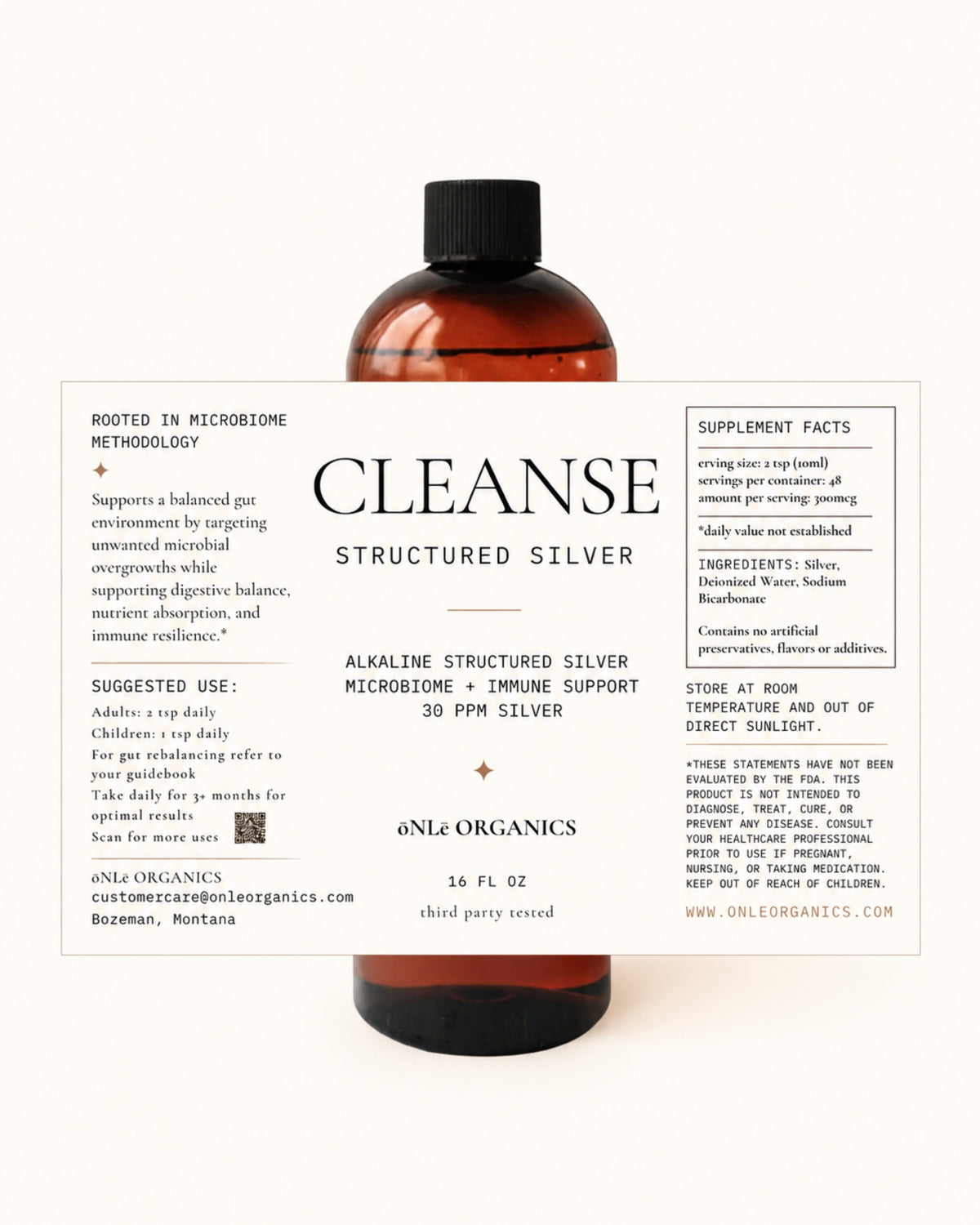
Cleanse clears bad bacterial overgrowths, excess Candida and other yeast, mold, fungus, and parasites throughout the body while preserving the beneficial bacteria the microbiome needs.
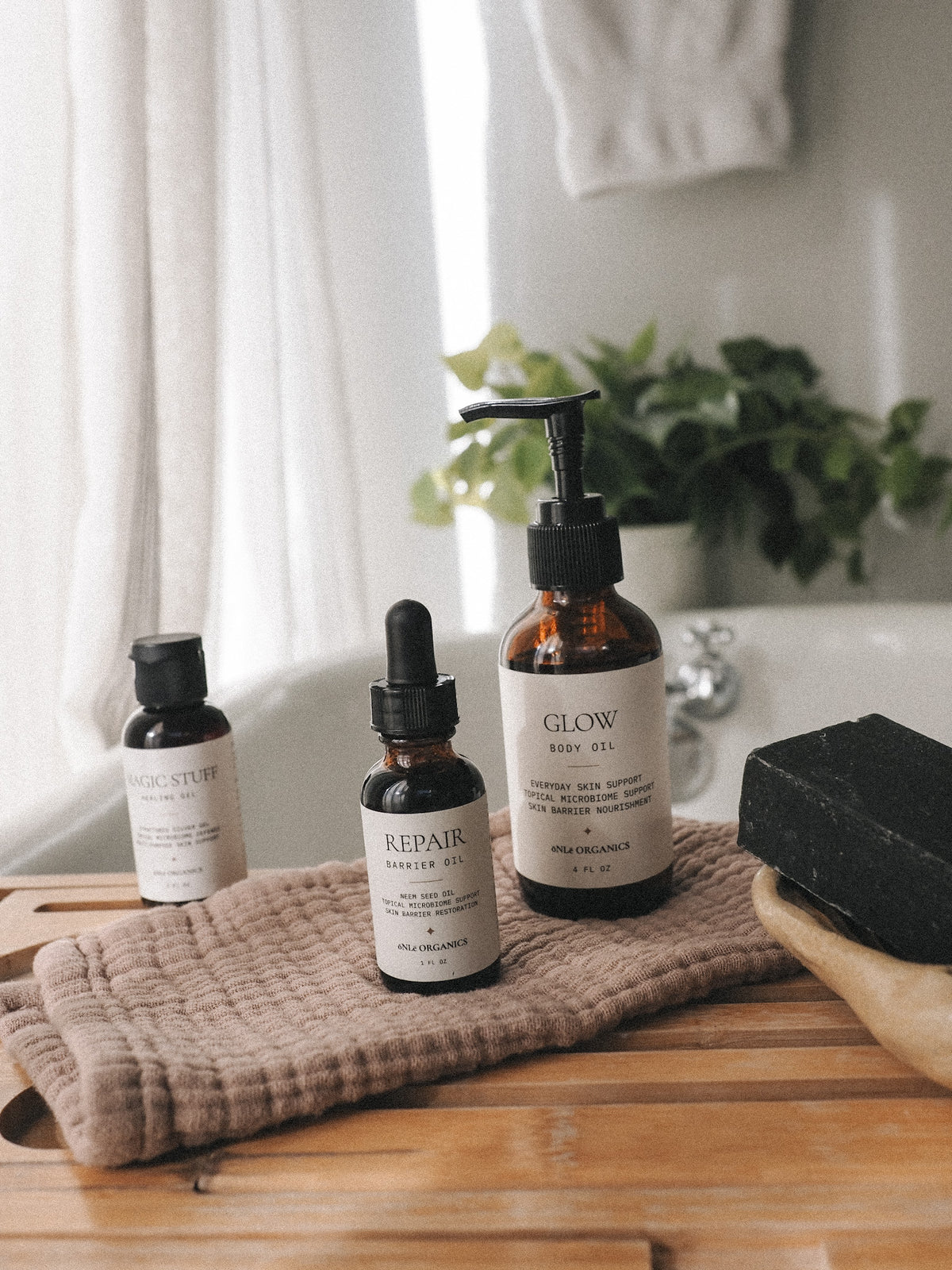
Magic Stuff provides targeted topical support where yeast, bad bacteria, and irritation are showing up externally. It helps clear those overgrowths from the skin and external vaginal tissue while supporting the local microbial environment.
And as Cleanse and Magic Stuff clear what the body has too much of, the rest of the method restores what the body needs to create and maintain balance.
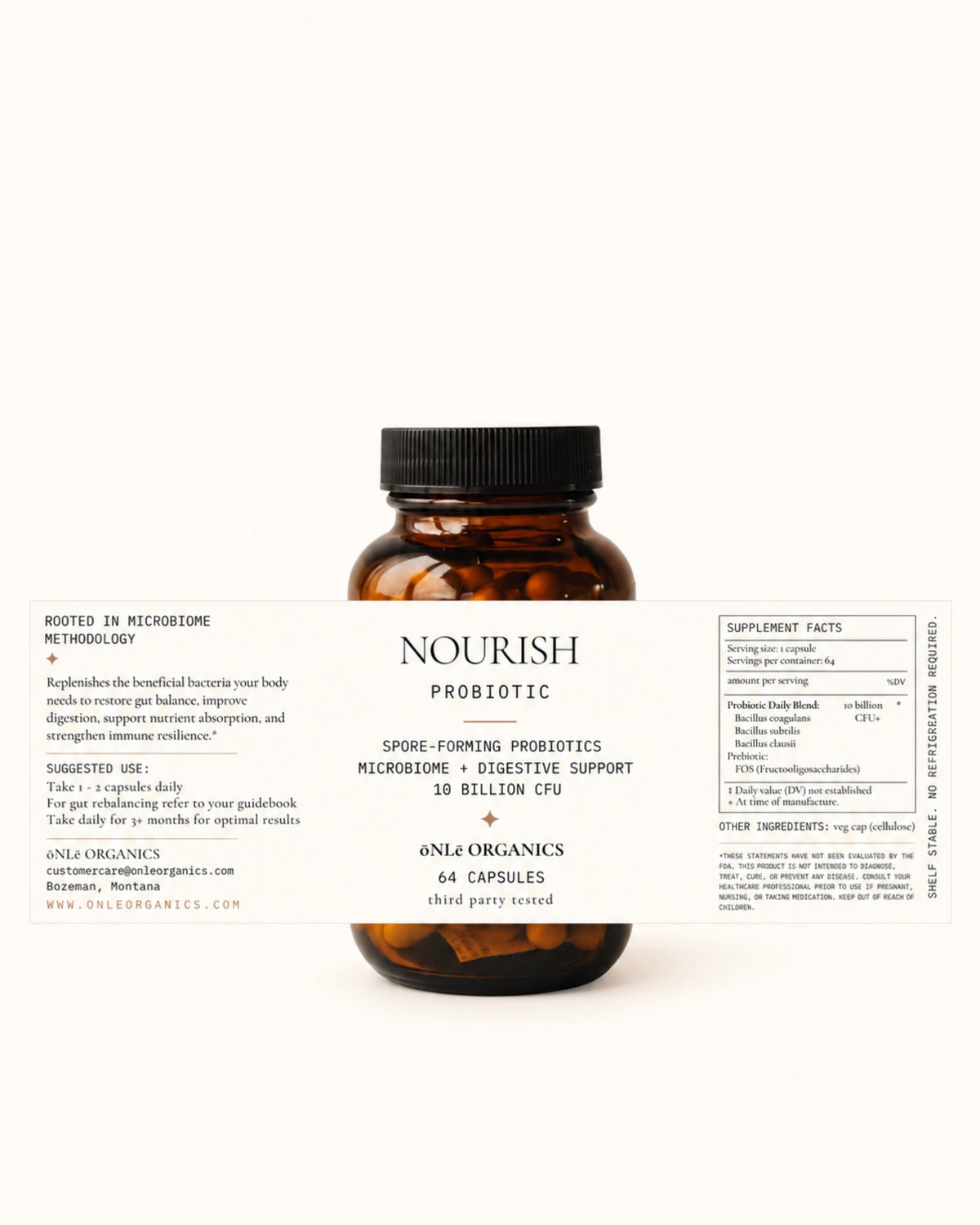
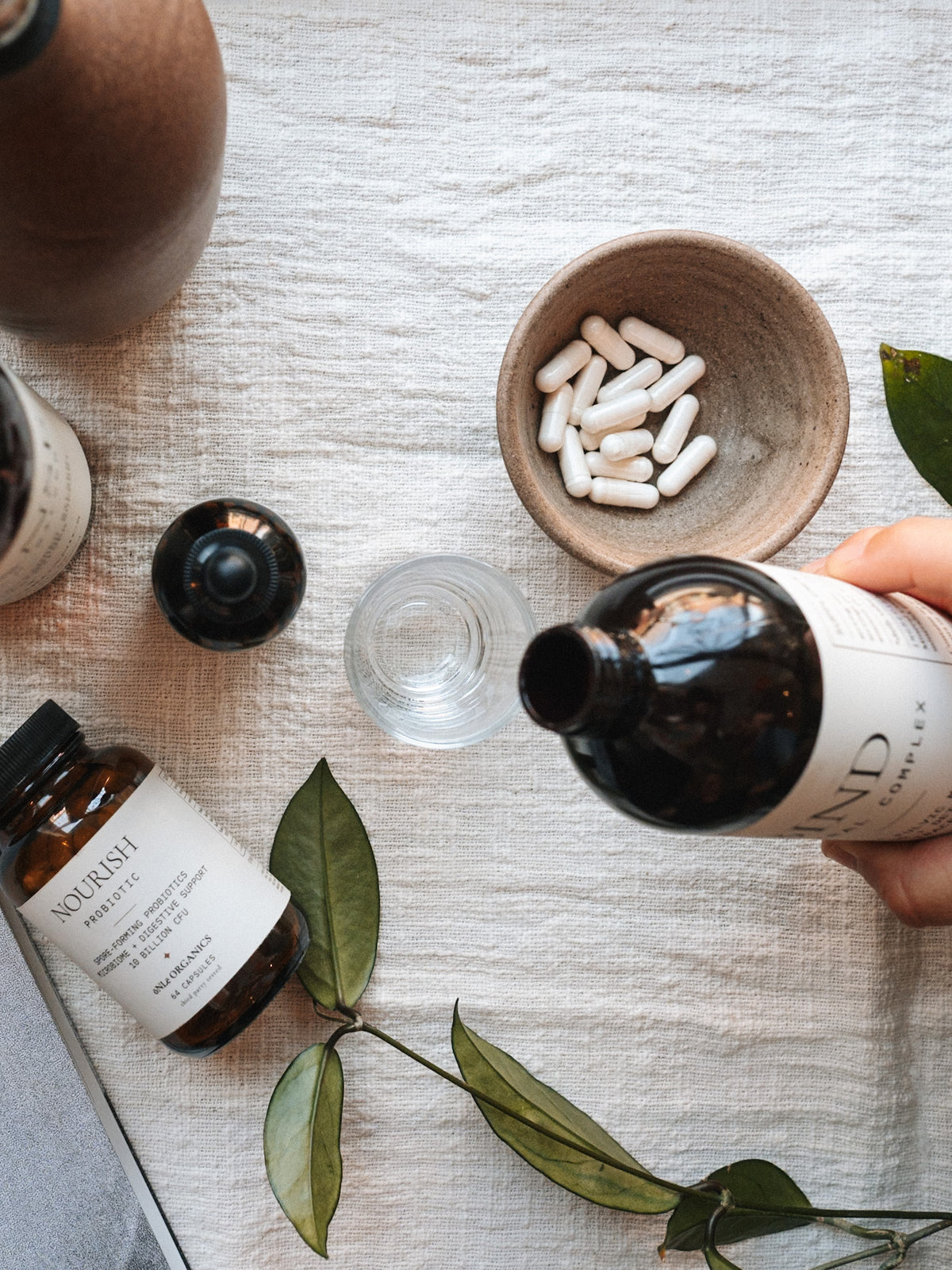
Nourish replenishes beneficial bacteria and supports the wider microbial community responsible for keeping yeast and bad bacteria controlled.
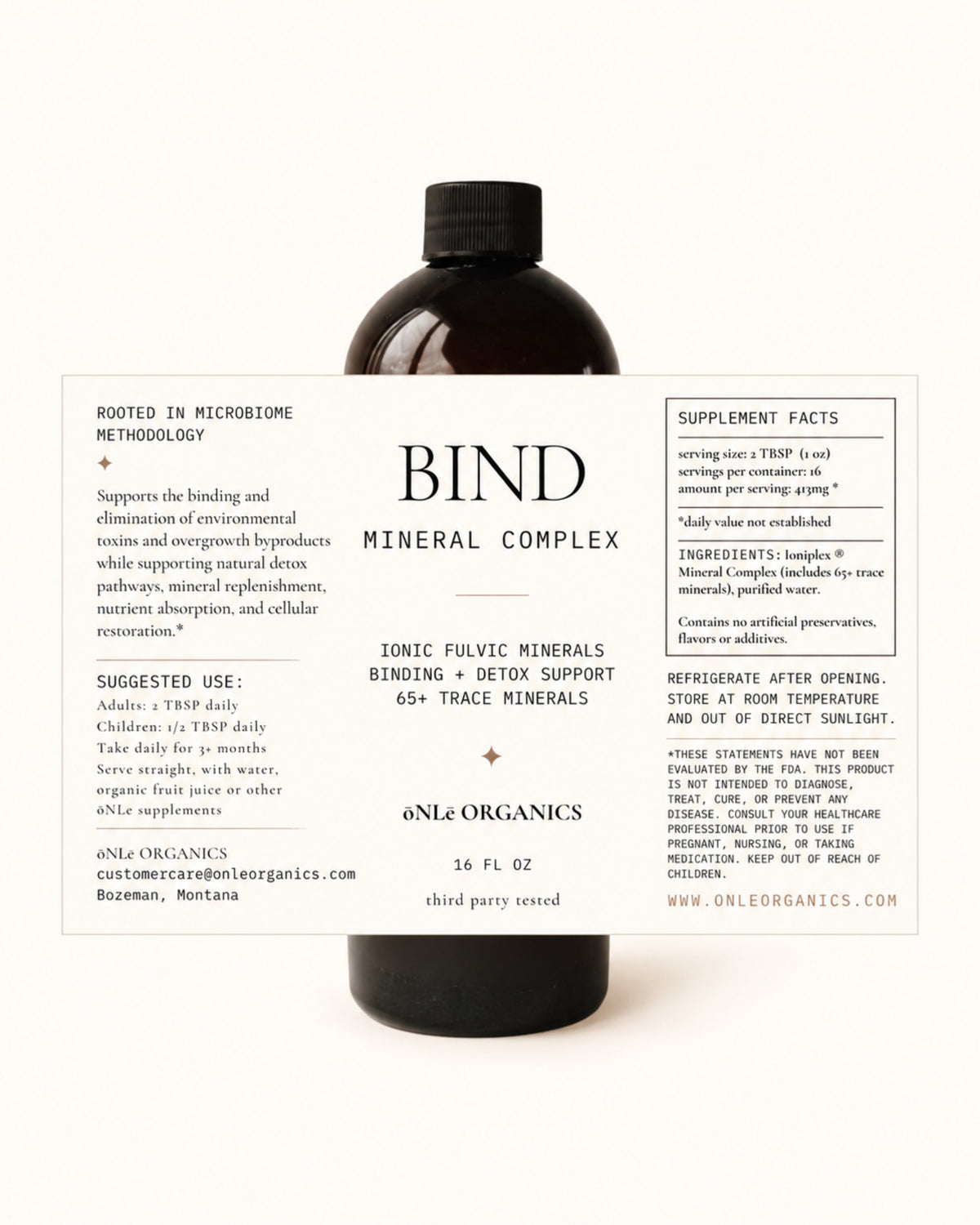
Bind supports the body in carrying out the overgrowths, toxins, heavy metals, waste, and other unwanted material being released.
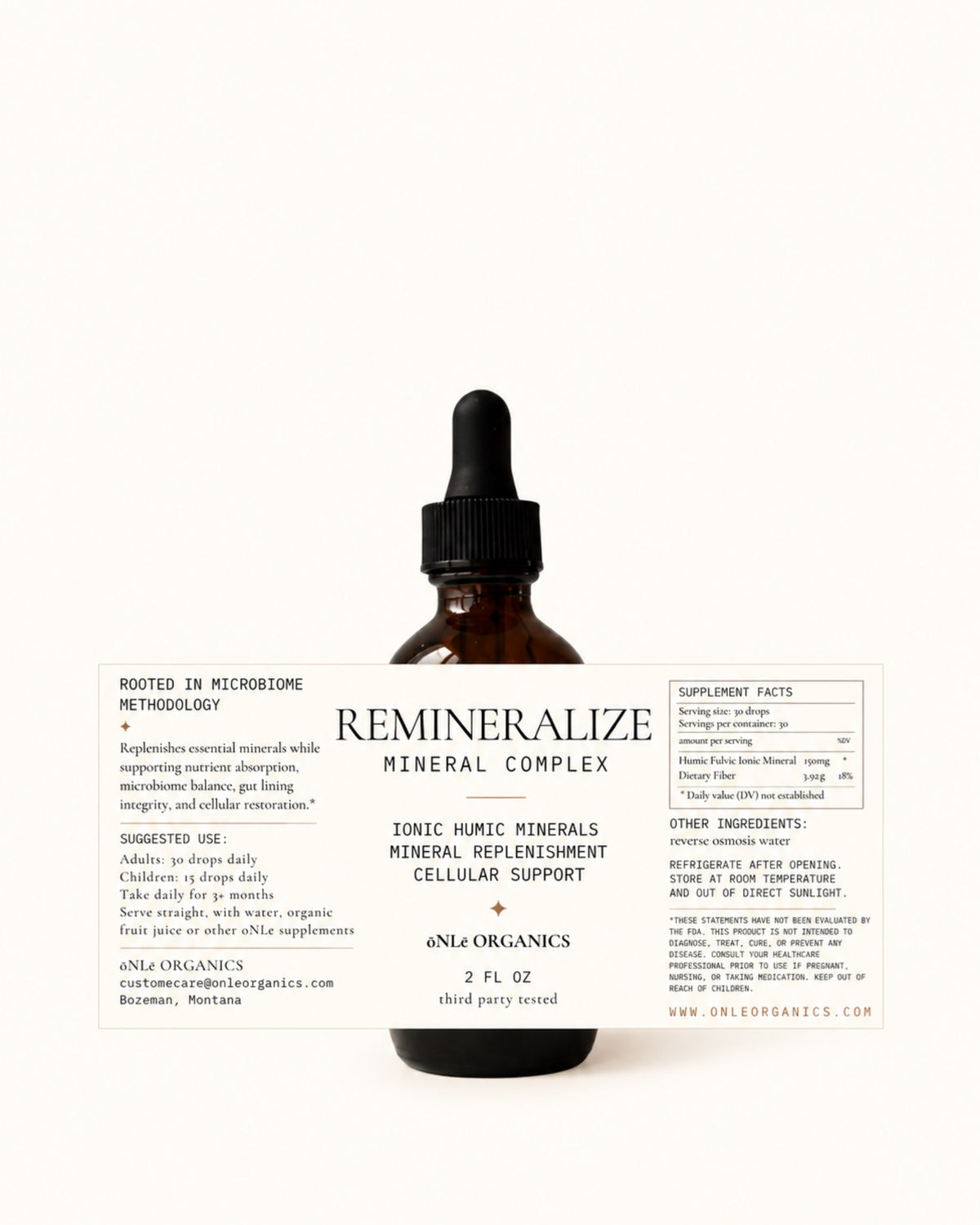
Remineralize restores essential minerals that support hydration, digestion, elimination, tissue health, and immune function.
The ōnlē Method Course that comes with the Rebalance brings the entire process together through food guidance, drainage support, nervous-system regulation, and a clear understanding of how to move through the release phase.
That’s the power of rebalancing.
We aren’t only clearing this month’s infection. We’re clearing the yeast and bad bacterial overgrowths creating symptoms while simultaneously rebuilding the internal environment that keeps Candida, bacteria, and the rest of the microbial community in their healthy, natural balance.